
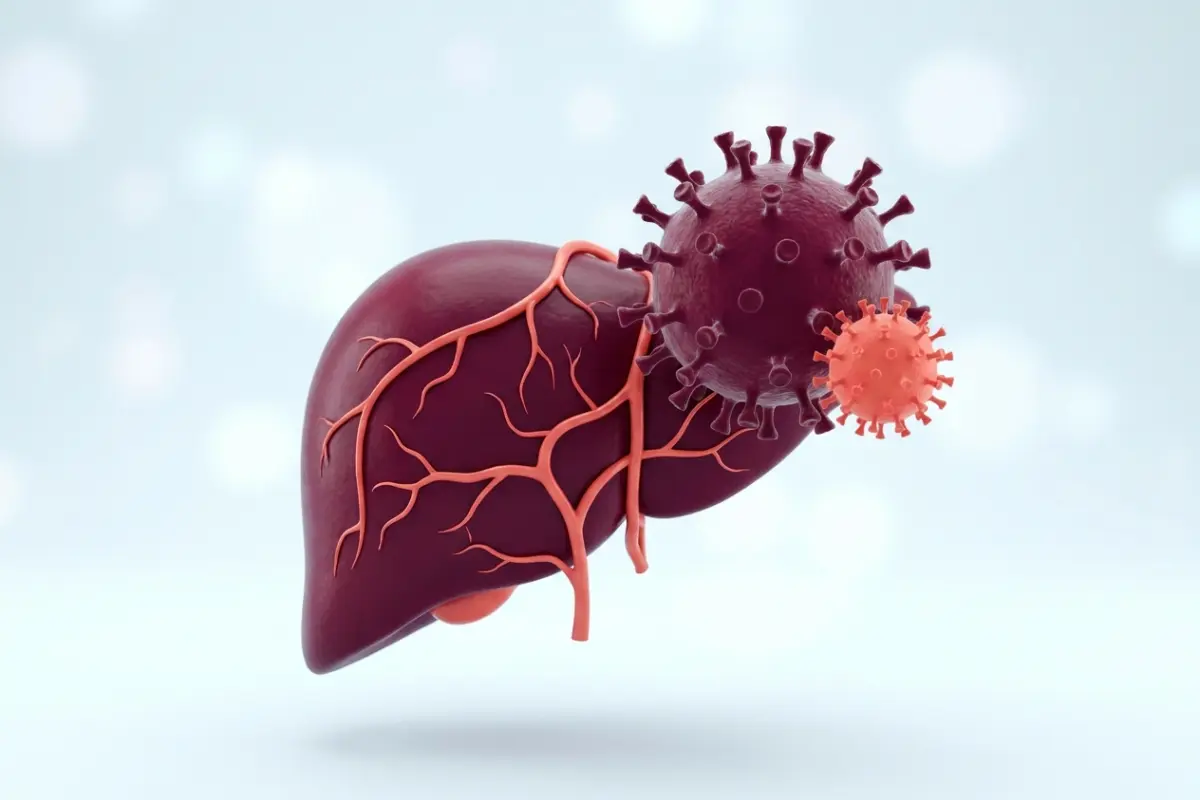
Hepatitis D is a viral disease of the liver. The causative agent of this disease causes the virus to develop in the human body not alone, but together with another infection. The second infection that joins hepatitis D is usually hepatitis B, which further worsens the course of the disease.
Can hepatitis D exist independently in the body?
Hepatitis D cannot live alone in the body and necessarily acts in symbiosis with the hepatitis B virus to continue its life cycle. Among the viruses that destroy our liver, hepatitis D stands out for its special danger and cannot live on its own. If you have the hepatitis B virus, you must inform your doctor and ask to test your blood for the D virus. Because 30% of patients with hepatitis B may also have the hepatitis D virus. Since this virus cannot live alone in the body, it necessarily continues its life cycle together with hepatitis B. Hepatitis D is a very severe and dangerous infection, but its treatment is available.
How is the hepatitis D virus transmitted?
The disease is transmitted to a person when using the syringe of an infected person and is most common among drug addicts. In most cases, viral hepatitis D occurs together with viral hepatitis B and develops pathological symptoms within 1-6 months from the moment of infection. In some cases, it can also be transmitted sexually and from mother to fetus. The cases of infection and risk factors are as follows:
- People who receive donor blood transfusions (in 1-2% of cases they are hepatitis D virus carriers). People undergoing repeated blood transfusions are at risk of contracting the disease.
- People who use someone else's syringe (at risk of contracting both virus B and virus D).
- Having sexual intercourse with a carrier of the D virus.
- Pregnancy of a woman infected with hepatitis D (causes the baby to be born sick).
- People getting tattoos and receiving needle therapy.
- In 40% of cases, the cause of the disease is unknown.

What are the complications and symptoms of the disease?
Hepatitis D is considered a severe infectious disease and results in cirrhosis of the liver. When the hepatitis B virus is present together with the D virus, liver cirrhosis is accelerated even more. Doctors detect the symptoms of hepatitis D when the symptoms of the disease are fully developed. At this point, treatment is no longer helpful, and the disease takes on a malignant character.
How is hepatitis D diagnosed?
Hepatitis D is diagnosed by an infectious disease specialist. Laboratory tests and biochemical blood parameters confirm the diagnosis. If you have the hepatitis B virus, you must inform your treating physician about this and certainly look for the hepatitis D virus in your blood.
What are the treatment methods for hepatitis D?
Hepatitis D treatment is carried out in a hospital setting, and currently, its treatment is available. Treatment is carried out in a comprehensive manner depending on the severity of the disease. During treatment, drugs used in hepatitis B and alpha-interferon are used. If acute hepatitis D is left untreated, it becomes chronic. Timely detection of the virus will cause your liver to be almost protected. Treatment carried out in the right direction will protect your liver from transplantation.
What needs to be done to prevent the disease from becoming chronic?
To prevent acute hepatitis D from becoming chronic, the following must be observed:
- Follow the doctor's treatment;
- Observe the work and rest schedule;
- Control nutrition;
- Control the psycho-emotional state;
- Try to prevent liver cirrhosis.