
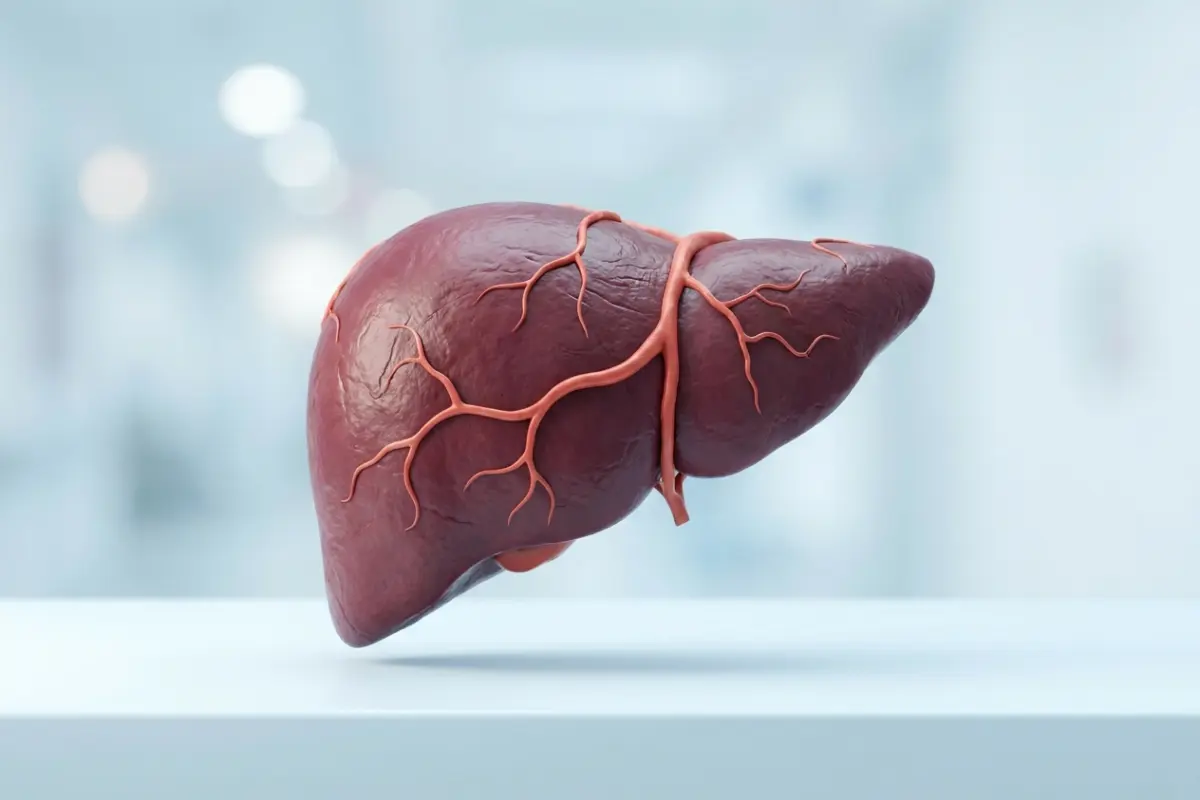
Liver cirrhosis is a serious disease that develops secretly for a long time and its symptoms are often unnoticeable in the early stages. If we can identify the causes of liver cirrhosis in time and fight them together with a doctor, cirrhosis is not a sentence and its successful treatment is possible.
How does liver cirrhosis develop and what are its causes?
The causes of cirrhosis can be of viral and non-viral origin. Almost every patient feels hopeless upon hearing the word cirrhosis, but with the right approach, these causes can be eliminated.
- Hepatitis B
- Hepatitis C
- Hepatitis D
- Diabetes mellitus
- Fatty liver disease
- Autoimmune diseases
- Metabolic disorders (including Wilson's disease)
- Portal vein thrombosis
What are the initial symptoms and complications of liver cirrhosis?
Since the liver is a silent organ, the initial symptoms of cirrhosis are often not felt, and patients usually consult us in the late stage of the disease. If cirrhosis is not identified and diagnosed in time, the following serious complications may occur:
- Esophageal variceal bleeding
- Encephalopathy
- Tendency to sleepiness
- Loss of general orientation
What examinations are performed during liver diseases?
When we have pain in the right hypochondrium, we consult an ultrasound doctor, and various modern devices examining the liver are used. Through elastography, a modern technology, we must clarify the fibrosis process taking place in the liver. If we investigate and diagnose the fibrotic process in time, the results will be much better. The main examinations applied during liver disease are:
- Ultrasound examination
- Computed tomography
- Magnetic resonance imaging
- Elastometry or elastography device
How important is a correct diagnosis in the treatment of liver diseases?
The foundation of successful treatment in medicine is a correct diagnosis, and once the diagnosis is made accurately, managing the disease is as easy as two times two. Sometimes patients visit various specialists for years, but the real cause of their complaints is not found. For example, some patients who think they have a liver problem may actually have a healthy liver, and the issue may stem from the gastrointestinal tract as well as other factors. My main goal is to find the real cause behind the complaints and direct the treatment precisely in that direction.